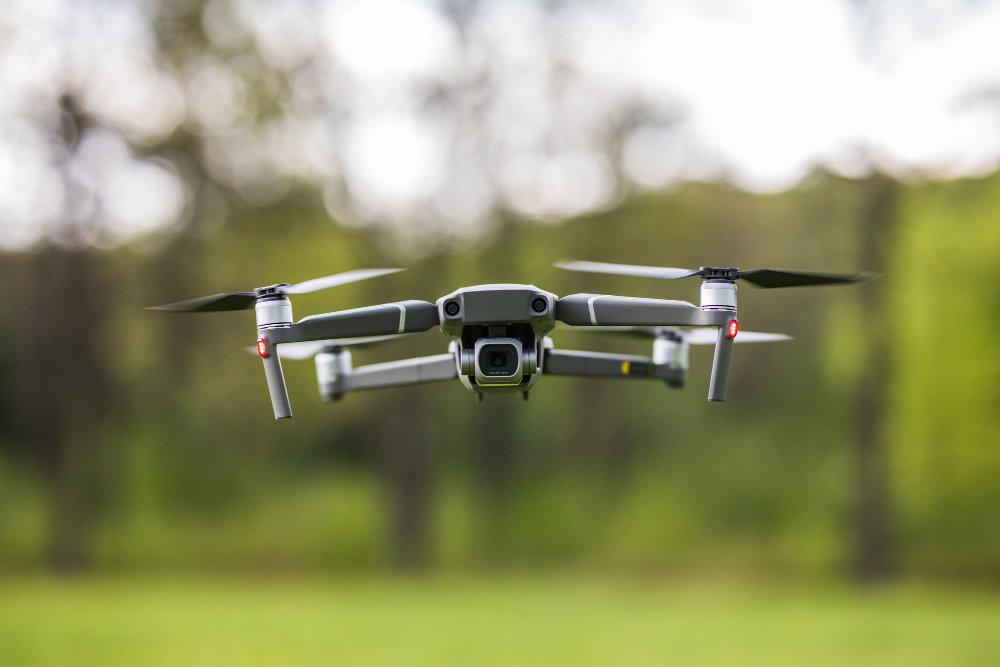
In recent years, drones have transcended their origins as recreational gadgets and military tools to become transformative players in modern logistics and delivery. Unmanned aerial vehicles (UAVs or Drones) are reshaping how goods are transported, offering speed, efficiency, and sustainability in a world increasingly reliant on rapid delivery and efficiency.
As e-commerce continues to surge and consumer expectations for same-day or even same-hour delivery grow, drones are emerging as a game-changing solution, addressing challenges like last-mile delivery, cost reduction, and environmental impact.
Advantages of Drones
One of the primary advantages of drones in logistics is their ability to bypass traditional infrastructure limitations. Urban congestion, rural inaccessibility, and unpredictable road conditions often delay conventional delivery methods. Drones, however, can fly directly to their destinations, avoiding traffic jams and geographical barriers.
For instance, companies like Amazon, through its Prime Air program, have been testing drone deliveries capable of transporting packages up to five pounds within a 15-mile radius in under 30 minutes. This speed not only meets consumer demands but also reduces reliance on fuel-intensive delivery trucks, cutting down on costs.

Cost Efficiency and Scalability
Drones offer significant cost-saving potential in logistics. While the initial investment in drone technology—including hardware, software, and regulatory compliance—can be high, the long-term benefits are compelling. Drones require less human intervention than traditional delivery methods, cutting labour costs.
They also consume less energy than delivery vans, especially for small, lightweight packages.
Specialized Drones: Medical Deliveries
Drones are proving transformative in specialized logistics, particularly in medical supply delivery. In areas with limited healthcare infrastructure, drones deliver critical supplies like vaccines, blood, and medications to remote locations. Companies like Zipline have successfully operated in countries such as Rwanda and Ghana, delivering medical supplies to hospitals in minutes rather than hours.
During the COVID-19 pandemic, drones were instrumental in transporting test kits and PPE, showcasing their potential in crisis situations and highlighting their role beyond convenience in saving lives.
The Future of Drones in Logistics
The role of drones in logistics and delivery is set to grow as regulations evolve and technology advances. From e-commerce to humanitarian aid, drones have the potential to become a cornerstone of modern supply chains. While challenges like regulation and public perception remain, their ability to deliver goods faster, cheaper, and more sustainably positions drones as a transformative force, redefining how goods reach consumers in an increasingly connected world.